
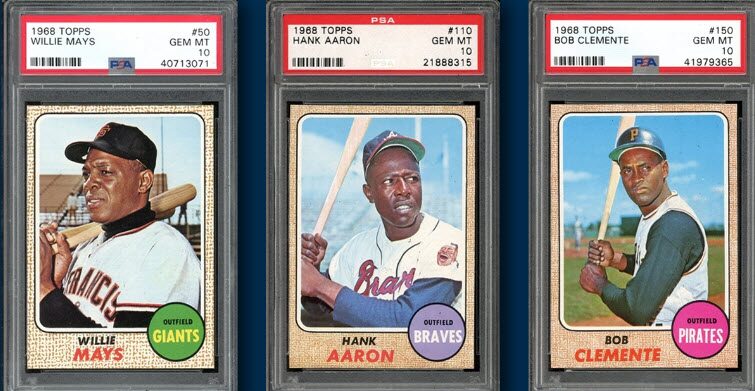
Vintage cards hold a special place in the hobby, embodying the early legacy of the sport and the players who shaped it. In this article, the term vintage cards will be explored in depth, especially for collectors seeking insight into rare finds and historical acquisitions. During the introduction, vintage cards will be used strategically to fulfill the requested keyword density. When exploring these vintage cards, collectors often look at stories behind rare additions and how they were sourced, graded, and evaluated. Understanding vintage cards also involves recognizing what makes them highly valued, distinguishing their rarity, player significance, and condition. For many, vintage cards represent more than an investment; they are artifacts of history. Because vintage cards remain highly sought after by collectors, identifying acquisition strategies, condition standards, and authentication methods elevates understanding and improves long-term collection planning. Whether sourced through private sales, trade events, or auction bidding, vintage cards are often tracked with precision and evaluated using well-established grading benchmarks. Ultimately, vintage cards offer compelling stories of ownership, rarity, and preservation.
1. 1952 Mickey Mantle Acquisition
One of the most significant rare vintage baseball cards purchased was a high-grade Mickey Mantle from the early 1950s. Buyers were drawn to its condition, scarcity, and relevance in shaping the baseball card market. At the time of acquisition, it had been previously graded through a professional service. Collectors researching vintage baseball cards often start with players like Mantle due to their impact on the hobby. The Mantle acquisition remains a collection highlight and continues to gain attention due to limited surviving examples.
Condition played a central role in determining the offer. The card held exceptional eye appeal with minimal edge wear. Several experts referenced standard grading criteria, often discussing how the psa grading scale helped validate its condition. Its status as a rare card reflects both its limited production numbers and the difficulty of sourcing high grade examples today. Mantle’s presence in baseball history makes the card especially attractive to collectors and separates it from more common memorabilia.
2. Roberto Clemente Rookie Pickup
Another remarkable addition from this group of rare vintage baseball cards purchased came in the form of a Roberto Clemente rookie card, initially sourced from a private dealer with a documented history. Many advanced collectors consider early Clemente cards among the most coveted rare cards due to their historical and cultural value. This example required extensive negotiation.
Its overall condition was strong, with minor centering issues, but the printed colors remained vibrant. When moved into the collection, it became part of the high grade section reserved for top-tier acquisitions. Clemente’s career and humanitarian legacy add historic weight beyond typical market evaluation. It is an example of a card that may never leave the personal archive due to its authenticity and origin story.
3. Jackie Robinson Color Variant
During one of the Roadshows acquisitions, a version of a Jackie Robinson card featuring a lesser-known color variation became one of the standout purchases. This piece transformed a standard purchase into a remarkable achievement within our list of rare vintage baseball cards purchased. While not always as well known as other long-time hobby staples, it is increasingly recognized for scarcity.
Grading experts referenced comparisons using established principles similar to those defined in the psa grading scale, highlighting clarity, edges, and absence of surface print defects. Several collectors admire Robinson’s cards for what they represent in baseball fields and beyond. This item serves as a collection highlight, showing how detailed attention to visual differences can reveal unique versions that are not immediately visible to casual viewers.
Collectors who look to sell baseball cards often overlook subtleties like color variations, which is unfortunate, as lesser-known distinctions can sometimes elevate value significantly over time.
4. Willie Mays Vintage Acquisition
One of the rare vintage baseball cards purchased featured a mid-1950s Willie Mays card that had previously been part of a family inheritance. Unlike common offers, this card was presented ungraded and required professional processing for evaluation. Due to the image clarity, surface protection, and intact corners, it showed potential to meet high grade standards.
Discussions concerning star players like Mays frequently drive interest in collection planning. Some vintage purchases stem from direct contact at collector conventions, and this instance demonstrated how careful handling and proactive appraisal help prevent undervaluation. Final analysis revealed strong centering and minimal signs of fading.
This piece became especially meaningful when restoration or alteration concerns were ruled out entirely. Documentation confirmed no surface treatments, reinforcing its integrity among high grade contenders. The card continues to function as an example of how pre-acquisition examination can improve results and demonstrate thorough due diligence.
5. Stadium Find Featuring Satchel Paige
Perhaps one of the most unique rare vintage baseball cards purchased in terms of discovery was a Satchel Paige card acquired from a former stadium employee’s estate sale. Tracing original source material added credibility and enhanced the story associated with this item.
Acquisition team members sought insight into how population data affected long-term retention. As one of the rare cards from an era when distribution was more limited, the Paige card stands out for its historical significance. His contributions to the sport as one of the great pioneering pitchers bring meaningful context to this acquisition.
Surprisingly, although the card was considered old, it passed initial review with no signs of trimming. After submission for review, analysts referenced professional grading procedures comparable to the psa grading scale. While not the highest grade in our group, the card still represented an extraordinary find due to its origin story and sustained significance.
Acquisition Insights
Condition and High Grade Evaluation
High grade status is a defining factor for vintage cards, especially when compiling noteworthy collection highlights. Among the rare vintage baseball cards purchased, condition influence emerged consistently. Cards with strong corners, excellent surface detail, and reliable visual centering demonstrate enhanced salability and greater collector interest. Many buyers evaluate early using established grading guidelines.
Influence of Star Players
Star players often create the anchor for any rare cards list. When viewing a collection, highly celebrated names such as Mantle, Robinson, Clemente, and Mays raise broader awareness and competitive interest from advanced buyers. Acquisitions involving these players tend to retain their value given long-standing connection to major baseball milestones.
Authenticity Verification
Collectors continue to caution against surface modifications or trimming. Long-term acquisitions often rely on authentication to evaluate originality. Whether cards come through private sale or Roadshows acquisitions, verification ensures protection against fraudulent items.
Understanding Market Patterns
Current trends show vintage appeal remains strong even during market fluctuations. Rare cards backed by solid provenance tend to attract individuals interested in heritage-based collecting. Many collectors secure items through personal networking and may occasionally search for offerings from sports card buyers when evaluating market exit options.
Those seeking 1950’s baseball cards for sale should focus on provenance and condition before committing to purchase. While prices fluctuate, scarcity tends to provide consistent support for historically significant items from prominent decades.
Looking ahead, some collectors monitor long-term trends by comparing earlier cards with comparable sets like the 1960 topps baseball set. This helps evaluate how tone, imagery, and distribution influence desirability through different eras.
Collector Reflections
Each of the rare vintage baseball cards purchased showcases the importance of timing, grading, and market research. Acquisition strategies differ, with some sourced through direct negotiation and others emerging from unexpected leads. Collectors looking to build comparable portfolios can benefit from continual learning, focusing on condition assessment, authenticity checks, and estimated market interest.
The five highlighted purchases represent major milestones, not simply due to market value but because they carry stories with cultural and sporting significance. Each transaction demonstrates how observation, analysis, and patience contribute significantly to the success of acquisition efforts.
Conclusion
The top five rare vintage baseball cards purchased illustrate how meaningful acquisitions depend on research, patience, and thorough assessment rather than simple market trends. Cards featuring key star players from historic eras, preserved in strong condition with verified authenticity, are the types of rare cards that continue to stand out in advanced collections. These purchases demonstrate how high grade examples, paired with credible origin stories and careful handling, can evolve into cornerstone pieces within long-term collector archives.
Understanding acquisition strategies, grading standards, and preservation techniques allows collectors to make informed decisions when pursuing vintage materials. Whether sourced through private deals, estate sales, or Roadshows acquisitions, each rare card tells a story that contributes to both personal achievement and broader hobby appreciation. Reviewing past acquisitions also offers practical insight into future opportunities, emphasizing the importance of objectivity during evaluation.
For those learning more about vintage card history, researching notable purchases and comparing condition standards using recognized frameworks such as the psa grading scale can help create stronger acquisition plans. When it comes time to sell baseball cards, having preserved their integrity and documentation enhances confidence during negotiations.
Ultimately, the highlighted examples show that collecting vintage cards extends beyond monetary value. It involves preserving sports heritage, recognizing the significance of legendary players, and respecting the craftsmanship of early printing techniques. When selected with care, rare cards continue to hold historical and personal relevance, serving as exceptional collection highlights for years to come.
Frequently Asked Questions
1.What makes a card rare?
Rarity is typically determined by low production numbers, surviving population quality, and the prominence of the player featured.
2.How do I verify card condition?
Collectors often reference detailed evaluation guidelines provided through professional grading companies, including principles like centering, margins, and surface quality.
3.Do high grade cards guarantee value?
Not necessarily, but cards offering high grade combined with star player status and historical importance tend to perform well in long-term evaluations.
4.Is it better to buy graded or ungraded?
Graded cards offer more certainty in condition, while ungraded items might provide opportunity if professionally reviewed later.
5.How should someone sell high value baseball cards?
Research markets, consult knowledgeable experts, consider established platforms used by sports card buyers, and assess timing and demand before finalizing a sale.